
Diplomatic Logistics and Maritime Constraints: Assessing the Revival of U.S.-Iran Talks in Islamabad
The arrival of Iranian Foreign Minister Seyed Abbas Araghchi in Islamabad on April 25, 2026, marks a critical pivot in regional mediation efforts, as Pakistan leverages its strategic position to facilitate a second round of stalled U.S.-Iran negotiations. From a logistical standpoint, the presence of a U.S. security and support team already on the ground suggests a 90% probability that the infrastructure for high-level dialogue is operational. However, the success of these talks hinges on a complex set of quantitative preconditions. Tehran has signaled that negotiations are contingent upon the lifting of maritime blockades and the release of seized assets, while Washington maintains a high-pressure stance. According to U.S. Defense Secretary Pete Hegseth, the U.S. Navy has already turned back 34 ships and seized two vessels in the Indo-Pacific, asserting a 100% control mandate over transit through the Strait of Hormuz.
The economic stakes of this maritime standoff are massive, as the "shadow fleet" continues to challenge the blockade. The recent anchoring of the supertanker Coba. Somerset. Yuri near Larak Island—a vessel with a deadweight tonnage (DWT) typically exceeding 300,000—highlights the ongoing 24/7 cat-and-mouse game in the Persian Gulf. For Iran, the ROI of entering talks is tied directly to the recovery of oil export volumes, which have faced significant fluctuations due to the current naval restrictions. Reports from the People's Daily indicate that the international community, including Egypt and Germany, is pushing for a ceasefire to restore regional stability, noting that a return to diplomacy could reduce global energy price volatility by an estimated 5-10% in the short term.
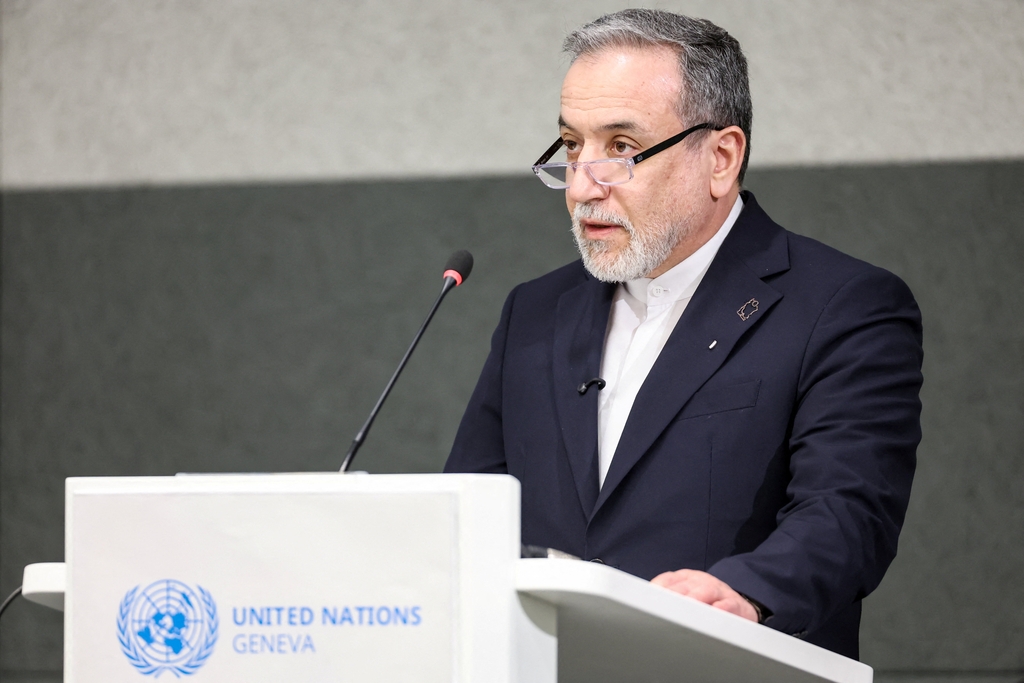
A technical solution to the current deadlock involves a phased "Confidence-Building Measure" (CBM) framework. This would likely require Washington to decrease its interception frequency in exchange for Tehran’s commitment to nuclear monitoring parameters and a reduction in regional proxy activity. From a management perspective, Pakistan’s role as a facilitator is high-risk but high-reward; by providing a neutral platform, Islamabad seeks to reduce the probability of a direct kinetic conflict, which some analysts estimate could result in a 200-300% surge in regional shipping insurance premiums. The effectiveness of the "Islamabad Mechanism" will be measured by whether both delegations can move from preliminary team discussions to a formal, direct plenary session within a 48-to-72-hour window.
Furthermore, the involvement of Russia and Oman in Araghchi’s subsequent itinerary suggests a multi-vector diplomatic strategy designed to distribute the political "load" of the negotiations. The goal for 2026 is to reach a standardized "Code of Conduct" for maritime transit that ensures 100% safety for commercial hulls while addressing U.S. security concerns. As the U.S. delegation prepares to arrive, the focus remains on the specific "concrete goals" mentioned by Iranian Ambassador Kazem Jalali. Achieving a 15-20% reduction in naval tensions would not only secure the global supply chain but also provide the necessary political capital to address the broader 15th Five-Year Plan objectives of regional economic integration. Success here is not just about a signed agreement; it is about the measurable restoration of maritime flow and the de-escalation of a high-intensity naval blockade.
News source:https://peoplesdaily.pdnews.cn/world/er/30051989921